Complete Guide to MERN Stack Development for Modern Web Applications
Learn everything about the MERN stack—MongoDB, Express.js, React, and Node.js. This complete guide explains features, benefits, architecture, and why MERN is ideal for modern web development.
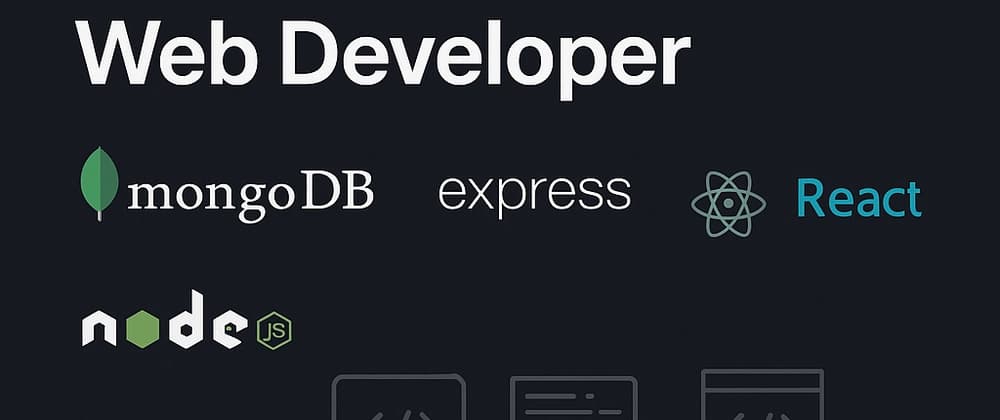
In the world of modern web development, efficiency, speed, and scalability matter more than ever. Businesses want interactive applications that work smoothly, developers want clean and flexible tools, and users expect seamless digital experiences. This is where the MERN stack becomes one of the most popular choices for developers worldwide. MERN stands for MongoDB, Express.js, React, and Node.js, and together, these technologies create a full JavaScript-powered framework for building dynamic web applications.
Whether you are a beginner or an experienced developer, the MERN stack provides a unified, modern, and high-performing environment for both frontend and backend development. In this article, we will explore each component of the MERN stack, how it works, why it is useful, and how you can use it to build fast, secure, and scalable web applications.
What Is the MERN Stack?
The MERN stack is a collection of four powerful JavaScript technologies used together to build full-stack applications. Each technology plays an important role in the development process.
MongoDB – A NoSQL database that stores data in JSON-like documents.
Express.js – A minimal and flexible web framework for Node.js.
React – A frontend JavaScript library created by Facebook for building user interfaces.
Node.js – A runtime environment that lets developers run JavaScript on the server.
Together, these technologies form a complete ecosystem that covers everything from data storage to user interfaces. The biggest advantage of MERN is that everything is built using JavaScript, meaning a developer can work on both frontend and backend using one language.
Why MERN Is So Popular?
The MERN stack has grown rapidly because it helps developers build high-quality web applications with speed and efficiency. Some of its biggest advantages include:
1. Full JavaScript Stack
With MERN, you do not need to switch between languages like PHP, SQL, or Ruby. JavaScript handles the frontend, backend, and database interactions. This consistency makes the development process faster and more efficient.
2. High Performance and Scalability
Node.js uses an event-driven, non-blocking architecture, making it ideal for real-time applications. React provides fast updates to the user interface with its virtual DOM. Combined with the flexibility of MongoDB, MERN can easily scale to support large applications.
3. Large Community Support
Each part of MERN has a huge developer community. You will find countless resources, packages, tutorials, tools, and forums to help you along the way.
4. Reusable Components
React allows developers to create reusable UI components, which improves development efficiency and keeps the code clean.
5. Flexible and Highly Customizable
MongoDB’s schema-less structure allows developers to create databases without strict rules, making it easier to adapt as applications grow.
Understanding Each Component of the MERN Stack
To understand how the MERN stack works, let’s break down each technology in detail.
MongoDB
MongoDB is a NoSQL database that stores information in JSON-like documents. Unlike traditional SQL databases, MongoDB does not require tables, rows, or rigid schemas.
Key Features of MongoDB
Schema-less structure
Stores data as documents
Highly scalable
Fast performance
Built for modern web applications
MongoDB works perfectly with JavaScript-based applications because the data structure looks similar to JSON objects used in frontend frameworks.
Express.js
Express.js is a lightweight backend framework for Node.js. It simplifies the process of creating server-side applications by providing tools for routing, middleware, and API creation.
Key Features of Express.js
Minimal and flexible
Easy routing system
Built-in middleware support
RESTful API-friendly
Works smoothly with MongoDB and Node.js
Express.js handles the backend logic, receives requests from the frontend, connects to the database, and returns data.
React
React is a highly popular frontend JavaScript library used for building UI components. It was introduced by Facebook and is known for its speed and efficiency.
Key Features of React
Component-based architecture
Virtual DOM for faster updates
Huge community support
Easy integration with APIs
Perfect for single-page applications (SPAs)
React allows developers to create interactive and responsive UIs that update quickly without refreshing the page.
Node.js
Node.js is a JavaScript runtime environment that allows developers to run JavaScript code on the server. It is highly efficient and ideal for building scalable applications.
Key Features of Node.js
Non-blocking, event-driven architecture
High performance
Large ecosystem of npm packages
Works perfectly with Express.js and MongoDB
Node.js is what brings the entire MERN stack together, enabling full-stack JavaScript development.
How MERN Stack Works Together
To understand how the MERN stack functions as one unit, let’s look at the general workflow:
React (Frontend) sends a request to the server.
Express.js (Backend) receives the request through APIs.
Node.js (Server Runtime) processes the request.
MongoDB (Database) stores or retrieves data.
The response is sent back through Express.js to React, which updates the UI.
This creates a smooth flow of data from the database to the frontend and back.
Benefits of Learning the MERN Stack
If you want to become a full-stack developer, MERN is one of the best stacks you can learn.
1. High Demand in the Job Market
Many companies prefer full-stack developers who can work with a single language across all technologies. MERN developers fit perfectly into this requirement.
2. Faster Development Process
Using JavaScript everywhere reduces complexity and improves workflow.
3. Perfect for Modern Applications
The MERN stack is ideal for:
Single Page Applications
Real-time applications
E-commerce platforms
Social media apps
Dashboards and admin panels
4. Strong Ecosystem and Tools
With libraries like Mongoose, Redux, and Axios, development becomes even easier.
Common Use Cases of the MERN Stack
The MERN stack is used to build a wide range of applications, including:
Project management tools
Chat applications
E-commerce websites
Portfolio websites
Learning management systems
Content management systems
Blogging platforms
MERN Stack Architecture
MERN architecture is based on three main layers:
Frontend (React)
Backend (Express + Node)
Database (MongoDB)
This layered structure offers a clear separation of concerns and makes the entire application easy to manage.
How to Get Started With MERN Development
If you want to start building applications using MERN, here is a recommended learning path:
1. Learn JavaScript Fundamentals
Before starting MERN, you should be comfortable with:
Variables, loops, functions
Objects and arrays
ES6 features
2. Learn React
Start by understanding:
Components
Props and state
Hooks (useState, useEffect)
Routing
API calls
3. Learn Node.js and Express.js
Understand:
Creating servers
HTTP methods
Middleware
Routing
Working with MongoDB
4. Learn MongoDB
Start with:
CRUD operations
Collections & documents
Mongoose for schema modeling
Best Practices for MERN Development
When building MERN applications, follow these best practices:
1. Use Environment Variables
Avoid storing sensitive information in your code.
2. Organize Folder Structure
Separate routes, controllers, models, and components for clean code.
3. Use Mongoose for Data Modeling
It helps maintain data integrity.
4. Optimize React Performance
Use:
React.memo
Lazy loading
Code splitting
5. Secure APIs
Add:
JWT authentication
Validation
Error handling
Future of MERN Stack
The MERN stack continues to grow because of its simplicity, flexibility, and speed. With the rise of modern apps and cloud-based platforms, MERN remains one of the most powerful and reliable choices for developers.
Conclusion
The MERN stack is a complete JavaScript solution for building full-stack web applications. With MongoDB for data, Express and Node for backend operations, and React for the frontend, MERN provides everything you need to create fast, interactive, and scalable apps.
If you are a web developer looking to improve your skills or build modern applications, MERN is one of the best stacks to learn. It is powerful, beginner-friendly, and widely used across industries.